
Research Monograph Competition Policy for the Electricity Industry of Korea October 31, 2012
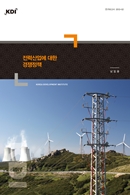
Series No. 2012-02
Research Monograph
KOR
Competition Policy for the Electricity Industry of Korea
#Competition Policy
#Market Structure
#Regulatory Studies: Network Industries
DOIhttps://doi.org/10.22740/kdi.rm.2012.02
P-ISBN978-89-8063-670-9
October 31, 2012
- Summary
-
This report describes the development of the electricity industry of Korea since its restructuring in 2001, analyzes the policies of the Korean government, focusing on competition policy for the wholesale electricity market, and proposes a set of recommendations that could potentially improve the efficiency of the industry. The most serious problem plaguing the wholesale electricity market is the inadequate rules for determining energy prices and the capacity price. Rules for determining energy prices kept changing since restructuring but have always been based on cost based. Further, the rules allowed energy prices to vary according to the ownership structure of a generation company and the fuel type. Capacity price is ostensibly based upon the concept of an equilibrium price in the spot market for capacities. But it is actually determined by a formula that relies on a particular PPA contract which has little to do with the opportunity cost of capacities in the spot market.
Current regulation of tariffs for transmission, distribution, and retail services imposed on KEPCO, which officially takes the form of rate of return regulation, also deviates considerably from a standard practice of rate of return regulation and causes inefficiency in both the monopoly parts and the wholesale market. It targets not only KEPCO but also its subsidiary gencos that compete with other gencos in the wholesale market and attempts to regulate the profitability of KEPCO and its gencos through a combination of regulation on retail tariff level and special discount factors that apply selectively to KEPCO’s gencos in the wholesale market. In addition, current policy on the governance of KEPCO and KEPCO’s gencos put serious restrictions on the profit incentives of them and allow the government a large degree of freedom in intervening in their management.
Based on the analysis of the structural problems and the comparison of the institutional arrangements governing electricity industry in other countries, this report proposes a set of alternative policies on the horizontal and vertical structures of the electricity industry of Korea, wholesale market rules, vesting contracts, incentive regulation of bottleneck facilities, and the governance of public enterprises in the electricity industry.
- Contents
-
발간사
요 약
제1장 연구의 배경 및 목표
제2장 우리나라 전력산업의 주요 현황, 진화과정 및 핵심 현안 이슈
제1절 전력산업의 주요 현황
제2절 구조개편 이전 우리나라 전력산업 운영방식
제3절 구조개편의 내용 및 이후의 전력산업 진화과정
제4절 한전과 발전자회사의 지배구조
제5절 도매전력시장 거래제도 및 경쟁정책
제6절 송전⋅배전⋅판매
제3장 전력시장의 경쟁에 관한 이론 및 주요 쟁점
제1절 전력시장의 특성과 전력산업에 대한 경제정책의 목표
제2절 전력산업구조의 주요 대안
제3절 도매시장에 대한 경쟁정책의 목표와 성격
제4절 독점분야에 대한 규제정책
제5절 공기업의 지배구조
제6절 전력 소매가격과 수요함수의 관계
제7절 경쟁시장의 구체적인 형태
제4장 우리나라 전력산업의 주요 문제점
제1절 시장거래제도의 변천과정
제2절 현행 거래제도가 단기적인 효율성에 미치는 경제적 효과
제3절 기준용량가격 산정방식의 적합성 검토
1. 최초로 도입된 기준용량가격의 이론적 배경
2. 2001년 도입된 기준용량가격의 결정기준
3. 2001년 도입된 기준용량가격의 문제점
제4절 이후 변경된 용량가격의 문제점
제5절 지역별⋅계절별⋅시간별 용량가격
제6절 보정계수의 경제적 효과
제7절 한국전력에 대한 요금규제
제8절 공기업 지배구조
제5장 적정 설비투자에 관한 이론 및 주요 해외시장 사례
제1절 경쟁시장에서 적정 예비력 투자에 관한 경제이론
제2절 주요 선진국의 시장거래제도
1. 영국
2. 호주 NEM(National Electricity Market)
3. 미국 ERCOT(Taxas 시장)
4. 미국 California 시장
5. PJM, NE-ISO 등 미국 동부 및 중서부 시장
6. 스페인
7. 싱가포르의 규제계약(Vesting Contract)
8. WEM(Western Australian Market)
9. WEM의 규제계약(Vesting Contract)
제3절 선진국 주요 시장제도의 비교
제4절 쌍방계약(bilateral contracts)
제5절 Vesting 계약
제6장 우리나라 전력시장에 대한 경쟁정책의 개선방안
제1절 전력산업 운영체제에 관한 선택
제2절 전력산업구조
제3절 시장거래제도
제4절 Vesting 계약
제5절 시장운영제도, Vesting 계약, 자발적인 쌍방계약에 있어서 시장운기구와 규제기관의 역할
제6절 공기업의 지배구조
제7절 송전⋅배전⋅판매 요금 규제
제8절 맺음말
참고문헌
ABSTRACT
If you want to know more in detail?
related materials ( 9 )
- Key related materials
Security code
![captcha]()
We reject unauthorized collection of email addresses posted on our website by using email address collecting programs or other technical devices. To access the email address, please type in the characters exactly as they appear in the box below.
KDI Staff Information
Please enter the security code to prevent unauthorized information collection.
KDI Staff Information
KDI Staff Information