|
What's Up Monthly
July 22, 2025 | vol. 23
|
|
In today's newsletter:
- Restoring Labor Market Functions to Address Job Insecurity among Middle-Aged and Older Workers
- KDI Monthly Economic Trends July 2025
- World Population Day 2025: Korea’s Demographic Journey Through Policy and Research
- EAI delegation visits KDI
- KDI School presents street art icon Shepard Fairey
|
 |
Restoring Labor Market Functions to Address Job Insecurity among Middle-Aged and Older Workers
As Korea’s population ages rapidly, an underappreciated challenge is emerging in the labor market: High job insecurity among middle-aged and older workers. In this issue, Dr. Joseph Han examines why so many Korean workers in their 40s, 50s, and beyond struggle to maintain stable employment and what structural reforms are needed to fix it.
A Decline in Stability After Middle Age
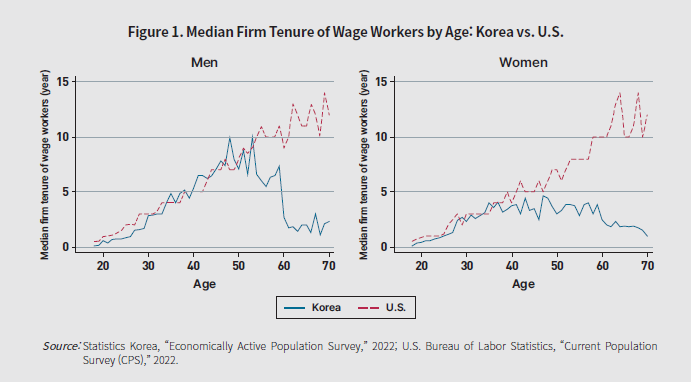
Although Korea is known for its strong employment protections, the data tell a different story. While wage workers in the United States tend to enjoy longer firm tenures as they age, workers in Korea experience a markedly different trend—firm tenure peaks in midlife and then declines sharply, particularly for men.
|
 |
What’s Driving the Instability?
The shift toward job instability is not just about worker choices or skill gaps. As workers age, they are increasingly pushed into insecure jobs, such as fixed-term, part-time, or dispatched roles. Korea stands out among OECD countries, with over one-third of workers aged 55–64 in temporary employment.
At the root of this is a structural issue: Employers are hesitant to hire older workers as regular employees. This reluctance stems largely from Korea’s seniority-based pay system, where wages rise steeply with tenure, often outpacing productivity. Faced with rising labor costs, firms are discouraged from keeping or hiring older workers, leading to early retirements and limited chances for re-entry.
Market-Based Solutions for a Resilient Future
Dr. Han proposes a suite of structural reforms to restore labor market functionality:
- Ease seniority-based pay systems, especially in the public sector, by shifting to task- or performance-based compensation.
- Improve dismissal processes by allowing employers the option of monetary compensation, reducing costly legal uncertainty.
- Enhance protections for non-regular workers through severance pay based on tenure and stronger unemployment benefits.
- Strengthen the employment safety net, especially for non-regular workers, by closing gaps in unemployment insurance coverage and improving job search support.
-
■ Read the full report
■ Key insights at a glance |
 |
|
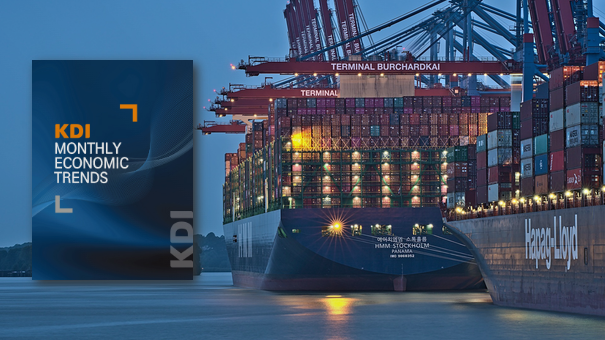
KDI Monthly Economic Trends July 2025
Korea’s economy remained subdued, with ongoing construction weakness and worsening external conditions. Semiconductors continued to perform well, but overall manufacturing slowed due to declining U.S. exports of high-tariff items like automobiles. Construction contracted further, and sluggish service growth led to a drop in total industrial output. Consumer sentiment showed signs of recovery, hinting at improving domestic demand, but trade uncertainty remains elevated with the end of tariff suspensions approaching.
|
World Population Day 2025: Korea’s Demographic Journey Through Policy and Research
To mark World Population Day 2025, we highlight Korea’s demographic transformation through a selection of KDI’s past research. From population control policies in the 1970s to today’s challenges of aging and low fertility, Korea’s experience illustrates how population dynamics and public policy evolve together.
■ See the demographic timeline
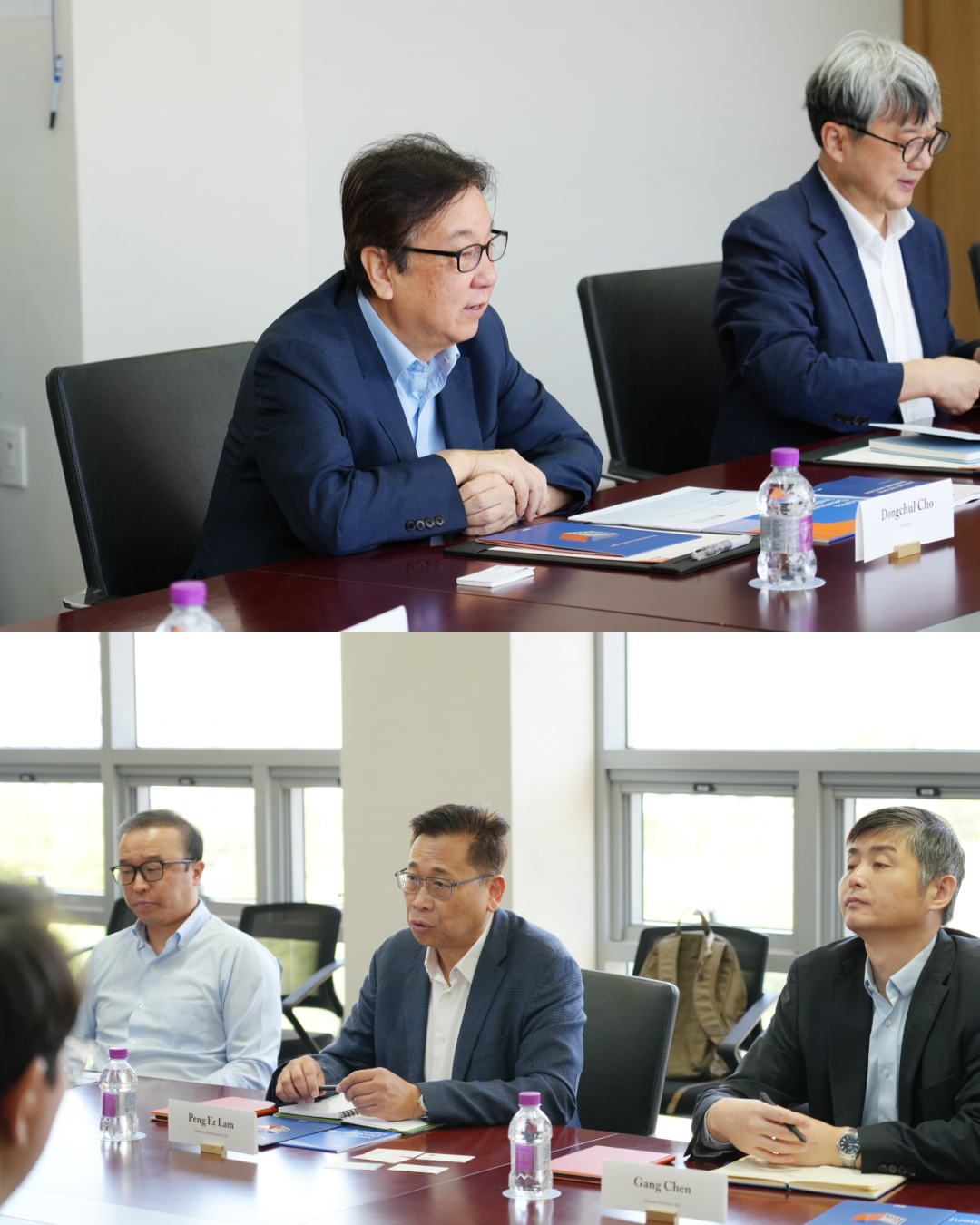
Strengthening Korea–Singapore Academic Exchange: EAI Delegation Visits KDI
KDI recently hosted a delegation from the East Asian Institute (EAI) at the National University of Singapore, opening new avenues for academic dialogue and cooperation. The visit brought together leading scholars from both institutions to explore joint research opportunities and exchange perspectives on inter-Korean relations and regional issues.
■ More about the visit
 |
|
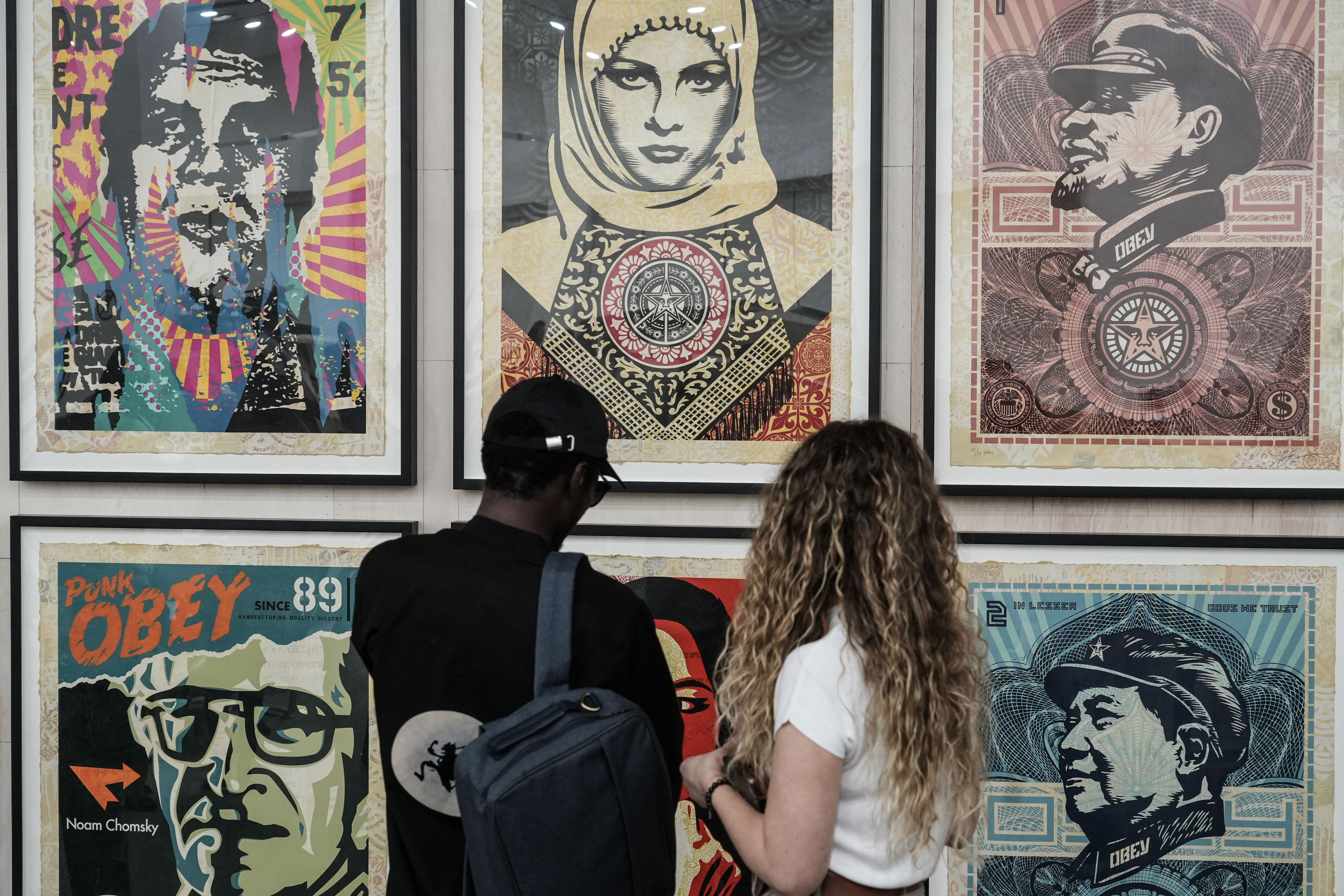
We’re proud to present 30 iconic works by street art legend Shepard Fairey, best known for the OBEY sticker and the HOPE poster of Barack Obama, now on display at KDI School.
To commemorate the opening, Professor Changkeun Lee of KDIS, who played a pivotal role in bringing this exhibition to life, led a special session exploring Fairey’s artistic journey. The talk delved into how Fairey fuses pop culture, propaganda aesthetics, and bold visuals to provoke thought and spark dialogue on power, politics, and public engagement.
The exhibition is currently on view at the KDI School Library. Don’t miss the opportunity to experience these bold and thought-provoking works up close.
|
|
|
|