
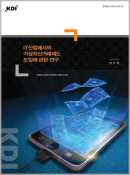
정책연구시리즈 IT산업에서의 가상자산거래제도 도입에 관한 연구 2011.12.31
Series No. 2011-16
- 국문요약
-
IT(Information Technology)산업은 인류 역사에 있어 상대적으로 새롭게 대두한 산업으로 이미 여러 나라에서 경제의 주요 산업으로 자리 잡아 새로운 부가가치의 창출에 주요하게 기여하고 있다. 하지만 아직까지 다양한 방향으로 개척된 기존 산업들에 비해서는 그 발전에 있어 더 많은 가능성을 내포하고 있다고 보는 것이 타당할 것이다. 비록 그 기여의 정도가 이미 크기 때문에 많은 이들이 이와 같은 IT산업의 가능성을 간과하는 측면이 있지만, 아직까지 IT산업은 고유의 가치 창출보다는 상대적으로 기존 산업의 생산성을 향상시키는 보조적인 역할에 더 큰 기여를 하고 있다고 볼 수 있기에 향후 IT산업이 이전의 산업에서는 찾아볼 수 없었던 자신의 고유한 가치를 창출해낼 가능성에 대해서도 함께 모색해 볼 가치가 충분하다 하겠다.
본 연구는 IT산업 고유의 특성에 기반한 자산과 부가가치의 창출에 주목했다는 점에서 이전의 연구와는 차별성을 지닌다. 특히 본 연구에서는 IT산업에서 가상의 세계가 창출될 수 있으며, 이와 같은 가상세계 내에는 가상의 자산이 정의될 수 있다는 사실을 보이고 이들 가상자산은 기존의 재화와 서비스 기준으로 볼 때 실체가 없는 가상공간의 데이터임에도 사람들에 의해 실제 경제적 가치가 부여된다는 사실에 주목하였다. 이미 국내 가상자산의 거래액만도 2011년 기준 연 1조원에 이른다는 사실을 밝히고 있는바, 이는 주목할 만한 새로운 현상이라고 볼 수 있다.
그러나 이와 같은 가상자산의 거래가 합법도 불법도 아닌 모호한 상황하에서 이루어지고 있어, 이에 따르는 불확실성을 낮추기 위한 제도 개선의 노력이 필요함을 역설하고 있다. 이를 위해 본고에서는 고유의 가상자산의 정의와 분류체계를 제시하고 가상세계와 가상자산 거래의 현황 및 이와 관련한 현재의 법률 및 시행령 등 관련 제도에 대해 연구를 진행하였다. 또한 가상자산 거래의 경제학적 의미를 살펴보고, 그중 한 예로서 가상자산의 가치를 고려한 가상세계의 수요체계를 추정하여 그 의미를 분석하였으며, 가상자산 거래의 부작용 측면을 특히 가상자산의 위험성에 주목하여 검토하였다. 또한 이와 같은 편익의 가능성과 부작용의 발생 가능성에 비추어 향후 가상자산에 대한 합리적 거래제도의 수립을 위해 고려해야 할 요인들에 대해 검토하고 제언을 제시하고 있다. 특히 가상자산이 적지 않은 경제적 편익을 창출할 잠재력을 지니고 있지만 또한 자산 특성에 따른 다양한 위험이 공존함을 함께 강조하여, 가상자산의 거래에 있어 건전하며 시장친화적인 규제와 제도의 도입이 필요함을 균형 있게 다루고 있다.
- 영문요약
-
In the information technology (IT) industry,there exist various Internet-based “virtualworlds.” And, virtual assets created within these virtual worlds are being traded actively. Given the growing size of transactions in the market for virtual asset and its high growth potential together with Korea’s comparative advantage as IT powerhouse, it is important to review the policy on adopting a virtual asset trading system and establishing the direction for relevant legal framework in order to foster related industries.
This study, recognizing the demand for such policy, attempts to clarify the definition of virtual asset and its classification system, examines the current status of virtual asset transactions, reviews the economic meaning of its trading system, addresses the need for managing the trade with the focus on risks, and then provides policy suggestions on the rational of trading to be approved and the optimized trading system.
The concept of virtual asset and virtual world is defined in economic terms as follows. A virtual world is a space in which users create an avatar representing them in the Internet-based network and communicate through information transition and receipt using digital codes in accordance with the social rules made within the computer programming. A virtual asset is an object that exists in the virtual world and satisfies the following three conditions: 1)its ownership or exclusive right to use is given to its owner; 2) the transfer of its ownership is allowed among avatars in the virtual world; and 3) a trading partner should exist.who is willing to pay the price in real currency for the transfer of its ownership.
In order to examine the status of virtual asset transactions, the study builds a full-scale transaction using the database of 2009 through 2011 based on the original sources provided by brokerage companies currently under operation. As of 2010, the turnover of two leading firms recorded approximately 1 trillion won per year with commission incomes of 60 billion won, which confirms the fast pace of growth.
Since trading of virtual assets is done voluntarily there exists an improvement effect on welfare between trading partners. In addition, trading virtual assets allow each user freedom to access and exit other virtual worlds, thereby lowering entry barriers and encouraging competition. However, this study points out the need for caution when approaching the risks involving virtual assets. A virtual asset can be categorized as the most risky asset of all economic assets as of today in terms fluctuation in value. Unlike real assets, virtual assets do not exist in physical form, and unlike most financial assets, they do not have real assets on which the value of virtual asset is based. For this reason, virtual assets face almost few constraints as to its formation and therefore, maintaining the value of virtual asset completely depends on; 1) the capability and credibility of sole proprietorship that operates the virtual world as a provider, and 2) the assumption that an individual as a consumer would not disturb the economy of virtual worlds.
Conclusively, based on the above analysis, this study suggests the following: 1) blocking virtual asset trading would induce high social cost or it is not possible, 2) social benefits from virtual assets are undeniable, and 3) given that virtual assets have inherent high risks, it would be more appropriate to prepare official framework and management systems than to prohibit unconditionally. To that end, the study lists necessary conditions for the adoption of virtual asset trading system along with several policy alternatives and their merits and demerits so that they could be of good reference for policy decision-making in the future.
- 목차
-
발간사
요 약
제1장 서 론
제2장 가상자산의 정의 및 분류
제1절 가상자산의 정의
제1절 가상자산의 분류
제3장 가상자산의 거래 현황
제1절 거래대상 가상자산 보유 가상세계 현황
제2절 가산자산의 거래 유형
제3절 가산자산의 거래 현황
제4장 가상자산 거래 관련 현행 제도 및 규정 연구
제1절 현행 관련 법률 및 시행령
제2절 과거 주요 판례 및 행정적 판단 검토
제5장 가상자산 거래의 경제학적 의미
제1절 자발적 거래에 따른 후생 개선
제2절 진입장벽의 완화와 가상세계 간 경쟁 제고
제3절 가상세계 성장과 활성화에의 기여
제6장 가상자산 거래를 고려한 가상세계의 수요체계 추정
제1절 수요추정모형
제2절 데이터 설명
제3절 수요체계 추정 결과
제7장 가상자산 거래의 비용: 가상자산의 위험 특성을 중심으로
제1절 자산 특성에 따른 태생적 변동 위험성
제2절 가치의 조작 가능성 측면: 공급 측
제3절 가치의 조작 가능성 측면: 수요 측
제8장 가상자산거래제도 도입과 거래규제 설정 시 고려사항
제9장 결 론
참고문헌
ABSTRACT
더 자세히 알고 싶으면?
동일 주제 자료 ( 9 )
- 주요 관련자료

한국개발연구원의 본 저작물은 “공공누리 제3유형 : 출처표시 + 변경금지” 조건에 따라 이용할 수 있습니다. 저작권정책 참조
보안문자 확인
무단등록 및 수집 방지를 위해 아래 보안문자를 입력해 주세요.
KDI 직원 정보 확인
KDI 직원 정보 확인
담당자 정보를 확인해 주세요. 044-550-5454
등록완료
소중한 의견 감사드립니다.
등록실패
잠시 후 다시 시도해주세요.